Unexpected Ground Conditions and Their Impact on Construction Projects
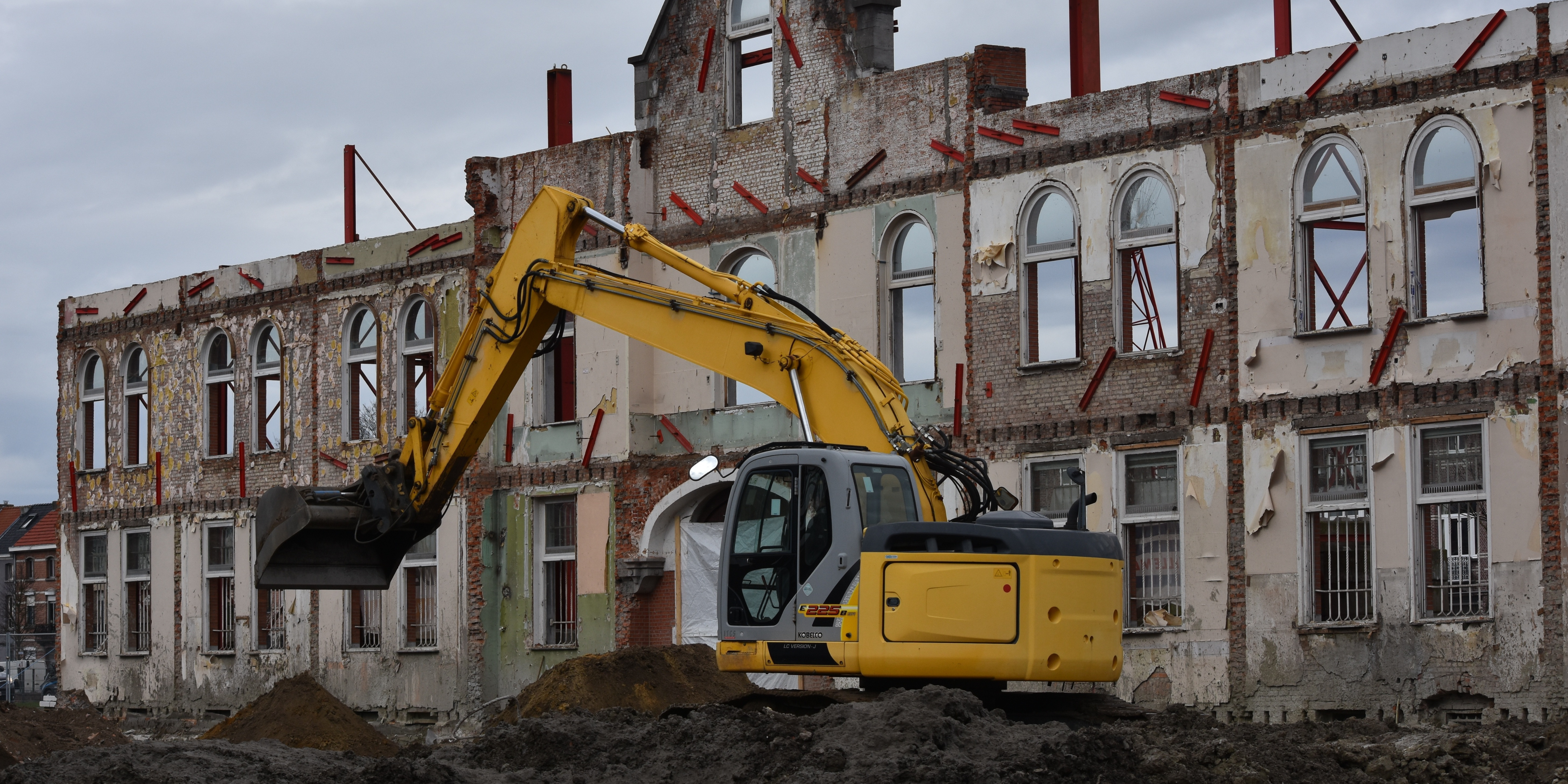
Unexpected ground conditions have blighted construction projects for thousands of years. Long before modern plant, digital surveys and sophisticated design software, engineers had to understand how to excavate through rock, manage groundwater and construct tunnels, foundations and retaining structures capable of standing the test of time. Although construction methods have advanced dramatically, one challenge has remained constant: every site is different, and what lies beneath the surface can fundamentally affect how a project is designed, priced and delivered.
Unexpected ground conditions are one of the most common causes of disruption, additional cost and dispute on construction projects. Poor or unforeseen conditions can change the scope of work, alter the design solution, delay critical activities, require specialist subcontractors, and trigger questions about contractual entitlement. For that reason, ground risk should be considered from the earliest stages of a project, not simply when excavation begins.
The earliest civilisations understood the importance of ground conditions. The Egyptians developed techniques for cutting through softer rock using copper saws and abrasive materials, while the Greeks and Romans constructed tunnels and aqueducts to transport water across long distances. These early projects relied on practical experience of geology, stability and water movement, long before modern geotechnical science existed.
As construction methods evolved, so did tunnelling and excavation. During the Industrial Revolution, Britain’s expanding canal and railway network demanded increasingly ambitious underground works. The Woodhead Tunnel between Manchester and Sheffield is one notable example. It was excavated from five deep shafts, some extending almost 600 feet below ground level, demonstrating both the ambition of the engineering and the importance of understanding the ground being worked through.
One of the most significant breakthroughs came beneath the River Thames. For centuries, tunnelling under rivers had been regarded as extremely difficult because of the risk of collapse and flooding. Marc Brunel’s tunnelling shield changed that position by allowing workers to excavate while being protected from the surrounding ground. Later developments, including circular shields and compressed air techniques, transformed underground construction and paved the way for the modern metro systems that many cities rely on today.
Despite modern investigation techniques, ground conditions remain one of the largest areas of uncertainty on a construction project. A site may contain soft clay, sand, weathered rock, chalk, made ground, buried obstructions, existing foundations, contaminated material or variable groundwater conditions. Sometimes several of these are encountered within the same excavation. Groundwater is particularly difficult to predict because water levels can change with rainfall, seasonal variation and surrounding construction or drainage activity. A site investigation carried out months before construction starts may therefore not tell the whole story by the time works commence.
This uncertainty is why ground investigations are critical. Boreholes, trial pits, laboratory testing, groundwater monitoring and desk-based research provide valuable information about the conditions below the surface and the historic use of the site. From a quantity surveying and commercial perspective, that information is essential for developing cost plans, preparing tender allowances, assessing risk, reviewing subcontractor pricing and understanding where additional excavation, support, treatment or disposal costs may arise. Investigations cannot remove every risk, but they allow the project team to make informed decisions and reduce the scope for surprise once construction begins.
London provides a useful example of why geology matters in practice.
The capital sits on a range of geological formations that have shaped how it has developed over centuries. North London benefits from areas of deep, relatively stable London Clay, which has been favourable for deep tube tunnelling. South London, by contrast, includes more complex sand, gravel and Lambeth Group strata, which can present more challenging and water-bearing conditions.
Major infrastructure projects are still designed around the ground they pass through. On projects such as the Thames Tideway Tunnel, route selection and construction methodology were heavily influenced by the need to manage geology, groundwater and tunnelling risk. This illustrates a broader point: ground conditions are not simply a technical matter for engineers; they influence design, procurement, programme, cost and risk allocation.
Unexpected ground conditions can take many forms. Excavation may reveal rock where softer material was anticipated, or weak ground where adequate bearing capacity had been assumed. Groundwater may require extensive dewatering, temporary works or changes to the excavation sequence. Contamination can introduce environmental controls, testing, treatment and disposal requirements that were not allowed for in the original programme or price. Buried obstructions, redundant foundations, unexploded ordnance, undocumented utilities and historic structures can also create immediate practical and commercial difficulties.
The impact is rarely limited to the excavation itself. A discovery below ground can affect the design of foundations, retaining walls, drainage, piling, earthworks, basements and temporary works. It may require revised calculations, additional approvals, new method statements, specialist plant, additional supervision and a re-sequencing of activities. Where the affected works sit on the critical path, even a short pause for investigation or redesign can have a disproportionate effect on completion.
For contractors and employers, the key issue is not simply whether the condition is difficult, but whether it was reasonably foreseeable, whether it was allowed for in the tender information, and how the contract allocates the risk. Those questions often determine whether the consequences are treated as the contractor’s risk, a variation, a compensation event, a relevant event, or a relevant matter giving rise to time and/or money.
Unexpected ground conditions can affect almost every major project control. In cost terms, they may lead to additional excavation, disposal, treatment, dewatering, temporary works, redesign, standing time, acceleration, resequencing and prolongation. In programme terms, they can delay access to workfaces, prevent follow-on trades from starting, disrupt planned sequences and affect sectional or overall completion dates. In commercial terms, they can quickly become disputed if the records do not clearly show what was encountered, when it was discovered, what instructions were given and how the event affected the works.
The contractual position will depend on the form of contract and any amendments. Under many fixed-price contracts, particularly where the contract is silent on ground risk, the starting point may be that the contractor has accepted responsibility for completing the works despite difficult or more expensive conditions.
Under NEC contracts, adverse physical conditions may be treated as a compensation event where the contractual tests are met. Under JCT contracts, entitlement may depend on whether the issue falls within a relevant event or relevant matter, or whether bespoke amendments have expressly reallocated ground risk. The tender information, site investigation reports, qualifications, risk register and contract amendments therefore become central to any assessment of entitlement.
Good administration is essential once unexpected conditions are encountered. The project team should promptly notify the issue, preserve evidence, take photographs, record levels and locations, obtain instructions before proceeding where required, and maintain clear records of labour, plant, materials, subcontractor costs and programme impact. Without that evidence, even a genuine ground risk event can become difficult to value or prove.
Construction has come a long way since the first tunnels were cut by hand through rock and soil. Machinery is more sophisticated, surveys are more accurate and our understanding of geology has improved significantly. However, the ground remains one of the few parts of a project that can never be fully controlled or completely known in advance.
Every site presents its own challenges. A robust ground investigation, clear tender information, realistic risk allowances and well-drafted contract provisions can reduce uncertainty and help the parties understand where responsibility sits if unexpected conditions arise. When issues do occur, early notification, accurate records and prompt commercial review are essential to managing the impact and avoiding avoidable disputes.
If you are dealing with ground-related challenges during planning, procurement, construction or dispute resolution, Overford can help. Our quantity surveying, commercial management and dispute resolution specialists can advise on ground risk, cost impact, contractual entitlement and the records needed to support or defend a claim.